


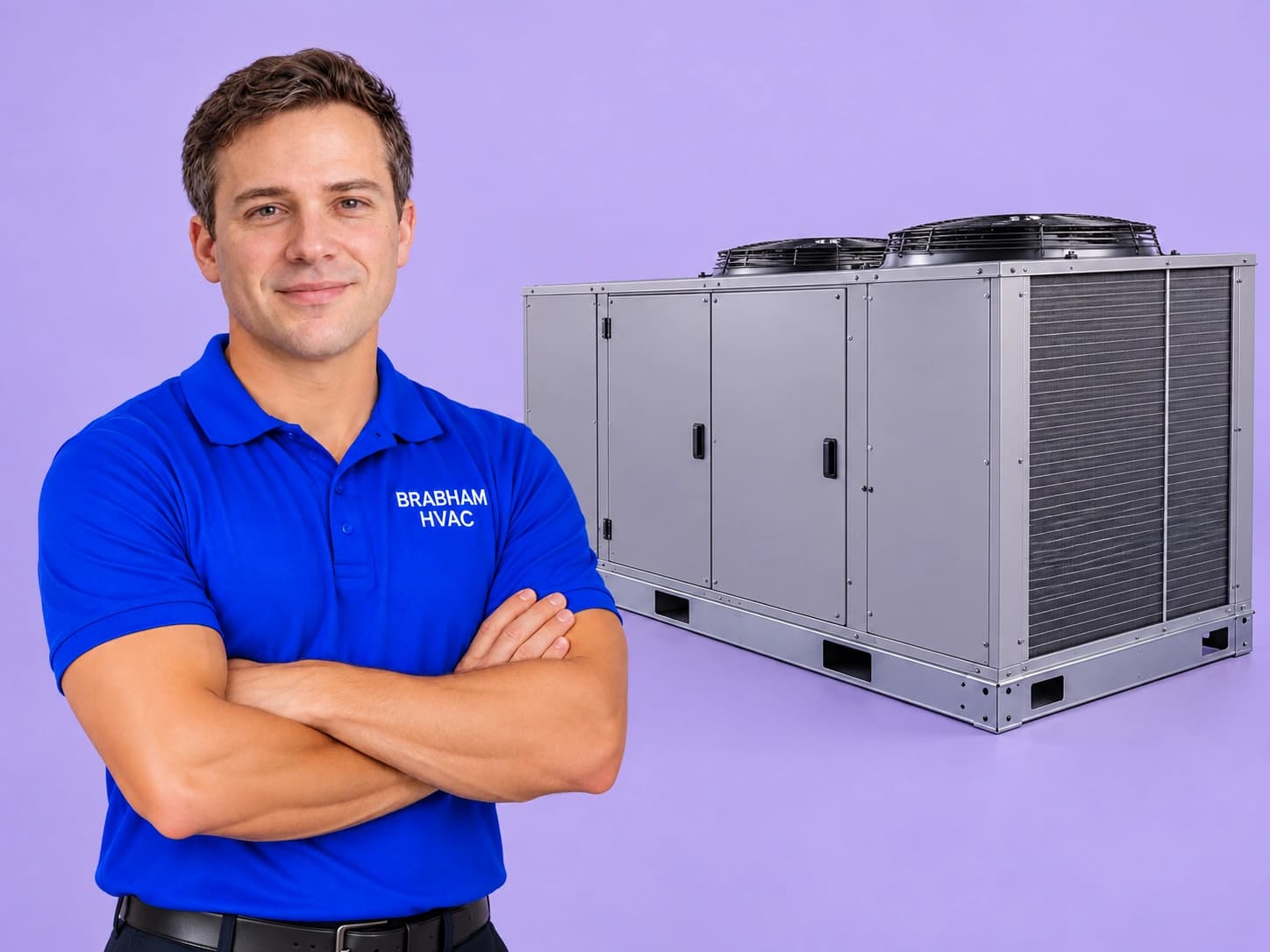
Air conditioning moves heat, it does not make cold
An air conditioner is a heat pump running in one direction. Refrigerant absorbs heat from indoor air at the evaporator coil, is compressed, and releases that heat outdoors at the condenser coil. Nothing is 'making cold' — heat is being relocated.
This is why the outdoor coil matters so much. If it cannot reject heat, because it is fouled or airflow across it is blocked, the whole cycle backs up and indoor cooling suffers even though nothing has technically broken.
It is also why refrigerant is not a consumable. A sealed loop does not use it up. If the charge is low, it leaked.
Heat pumps run the cycle both ways
A heat pump adds a reversing valve, so the same equipment can absorb heat from outdoor air and release it indoors in winter. In a mild coastal winter this is efficient, because there is plenty of heat available in outdoor air even when it feels cold to you.
As outdoor temperatures fall, capacity falls with them, and at some point auxiliary heat — usually electric resistance — takes over. Auxiliary heat is expensive to run. A heat pump whose controls are configured badly can lean on it far more than necessary, which shows up as a startling winter bill rather than as a comfort complaint.
Defrost cycles are normal. A heat pump periodically reverses to melt frost off the outdoor coil, which is why you may see steam and feel cool air from the vents briefly in winter.
The ducts are half the system
Equipment ratings are measured under specific conditions. The duct system determines whether your house ever sees them.
Leakage matters most where ducts run through unconditioned space. A supply leak in a hot attic loses conditioned air you paid for; a return leak actively pulls hot, humid attic air into the system, which in this climate is the worse of the two.
Static pressure is the other half. Undersized returns, crushed flex duct and heavily restrictive filters all make the blower work against resistance it was not designed for, reducing airflow and capacity at the same time.
Humidity is a separate axis from temperature
Cooling and dehumidification happen together but are not the same thing, and in a humid climate a system can do one well and the other badly.
Run time is what removes moisture. That is why an oversized system, which satisfies the thermostat quickly and shuts off, leaves a house cold and damp — and why longer, lower-output run times generally feel better here even at the same nominal capacity.
Placeholder editorial written for this demonstration build. Figures are illustrative and not retail advice.