


Maintenance · 5 min read · July 14, 2026
What salt air does to outdoor equipment
Condensers near the coast live a harder life than the same unit twenty miles inland. That has practical consequences.
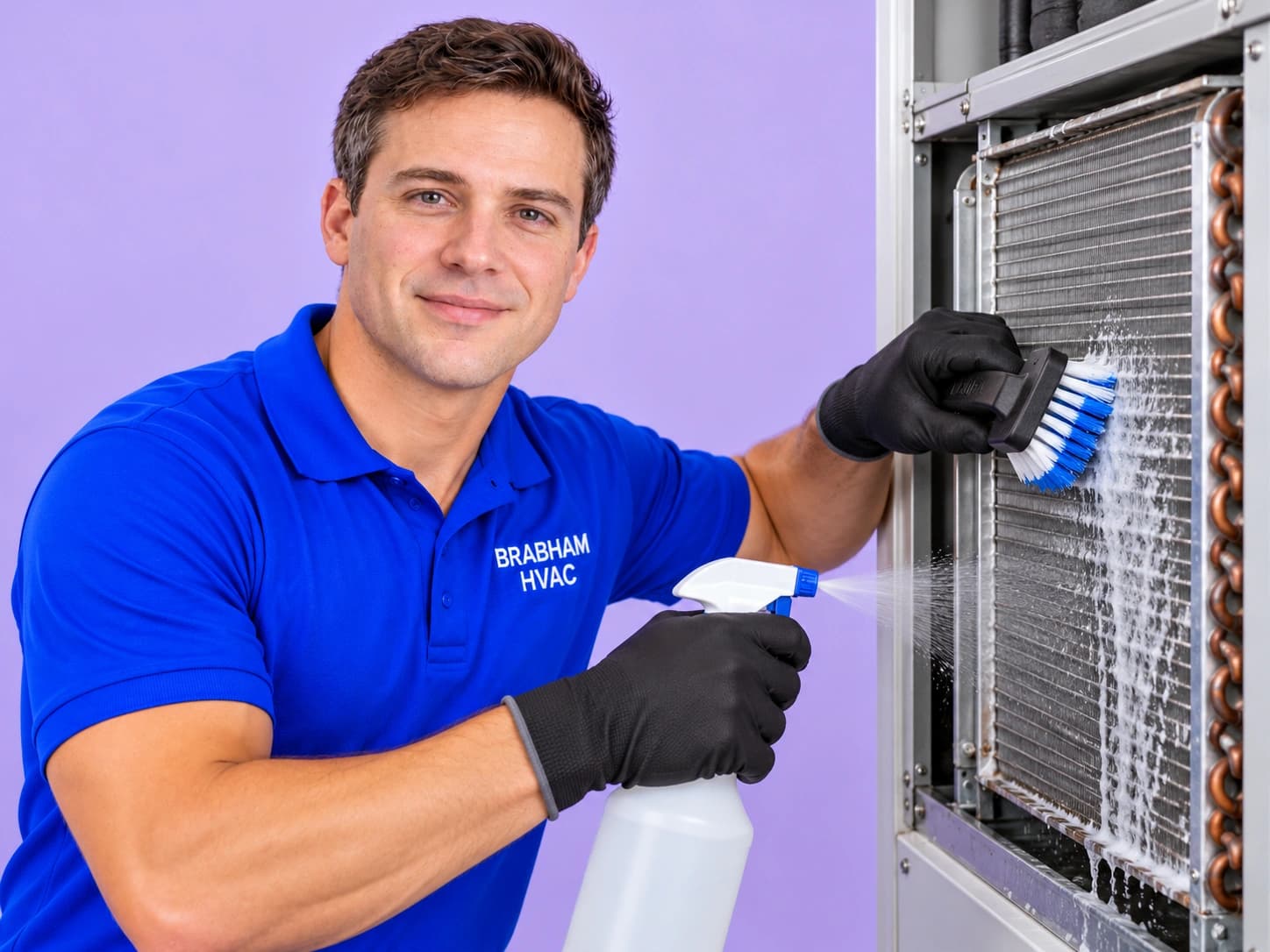
An outdoor unit rejects heat through a coil of thin aluminium fins over copper tubing. Anything that coats those fins, corrodes them, or blocks air moving through them directly reduces the system's ability to cool the house.
Salt-laden air accelerates corrosion on that coil and on the cabinet. It is a slow process rather than a dramatic one, which is why it is easy to ignore until capacity has quietly dropped and the compressor is working harder than it should against high head pressure.
Rinsing the outdoor coil gently with plain water is reasonable homeowner maintenance in a coastal location, with the power off at the disconnect and without a pressure washer — the fins bend under far less force than people expect, and bent fins block the airflow you were trying to restore.
Also worth keeping in mind: clearance. Shrubs, fencing and stacked items around the unit restrict airflow. Manufacturers generally want a clear space around the coil and above the fan, and a unit boxed into a tight corner will run hotter than one that is not.
The rest belongs to a service visit — coil condition, refrigerant charge, electrical components drifting out of tolerance, and the condensate drain, which in a humid climate blocks more often than anything else and causes water damage when it does.
The case for twice-yearly maintenance is not sentimental. Most of what fails in July was detectable in April.
Placeholder editorial written for this demonstration build.